
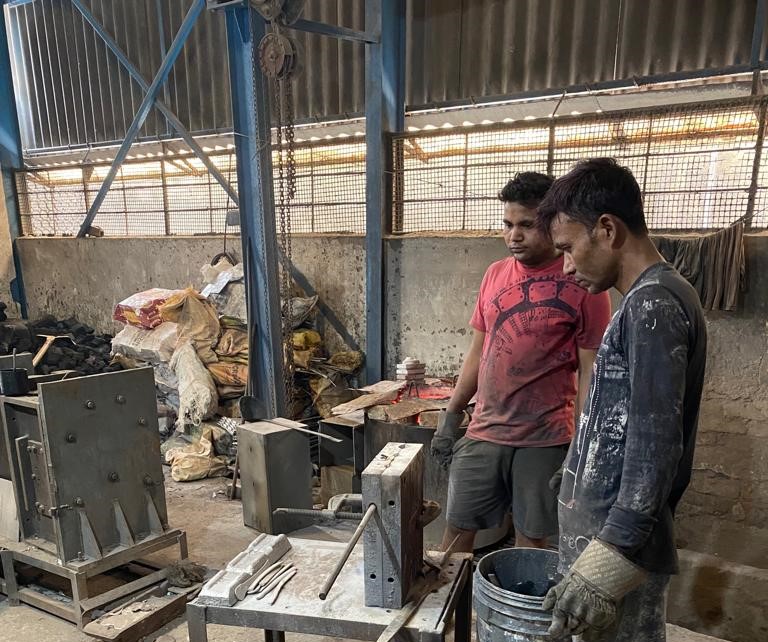
As industries become more focused on sustainability, aluminum investment casting foundries are going through their environmentally friendly routines to lessen their adverse effect on the environment. Being technically and qualitatively poised, the investment casting process has environmental concerns if not handled responsibly. In the quest for achieving environmentally friendly resource conservation and waste reduction, many of the aluminum investment casting foundries have taken on progressive measures. These strategies aid the environment and improve efficiency and reputation.
Key Eco-Friendly Practices in Aluminum Investment Casting Foundries
1. Aluminum Recycling and Reuse
Recycling of aluminum scraps and wastes has remained one of the best environmentally friendly measures that aluminum investment casting foundries take. Aluminum can be recycled without any deterioration from an environmental standpoint. This makes it a favorable material for sustainability initiatives. Since many foundries generate scrap aluminum during the casting, cleaning, or finishing processes, they have systems in place to collect it, melt it down, and use it again, reducing dependence on virgin materials and energy consumption and minimizing carbon emissions arising from aluminum extraction. A sustainable aluminum investment casting foundry encourages closed-loop recycling systems to minimize waste and maximize reuse.
2. Energy-Efficient Systems and Renewable Energy Sources
Waste management requires significant energy for aluminum melting and controlling processes. The leading aluminum investment casting foundries choose to save energy by using good equipment, like advanced insulation furnaces that provide precise temperature control. Many are also trying to power their plants via solar or wind energy. Having energy audits and installing energy-saving equipment is yet another step toward sustainability. These practices reduce both the running cost and greenhouse gas emissions, thereby bringing the foundry operations in line with agro-environment standards.
3. Waste Management and Material Optimization
Efficient waste management forms an important side for eco-friendly casting operations. Foundries, for instance, promote practices that could result in savings upon material wastage, such as mold designing. Such practices would encompass the use of biodegradable or recyclable molding materials and the recycling of ceramic investment molds where feasible. Another priority is disposing of hazardous materials, such as those used in surface treatment and cleaning operations, which generally involves treating or recycling them to avoid contaminating the environment. A green aluminum investment casting foundry carefully monitors all waste streams and uses best practices to reduce landfill impacts.
4. Water Conservation and Pollution Control
Water usage in casting processes can be substantial—whether for cooling, cleaning, or other uses. Forward-thinking properties install recycling systems, thereby minimizing freshwater usage and water wastage. Filtration and treatment systems further prevent pollutants from entering into local water sources, where they would otherwise violate environmental statutes. By implementing such measures, foundries can display their commitment toward environmental stewardship and public health.
Q: In what ways do aluminum investment casting foundries minimize their environmental impact?
A: They recycle aluminum scrap, purchase energy-efficient equipment, employ renewable energy, and impart waste reduction and water recycling techniques to lessen carbon emissions and waste into the environment.
In this regard, it becomes necessary to adopt green technology in casting foundries for aluminum investment for the sustainable growth of industries. These measures do contribute to environmental protection but later reduce costs and improve the image for companies that support green manufacturing.